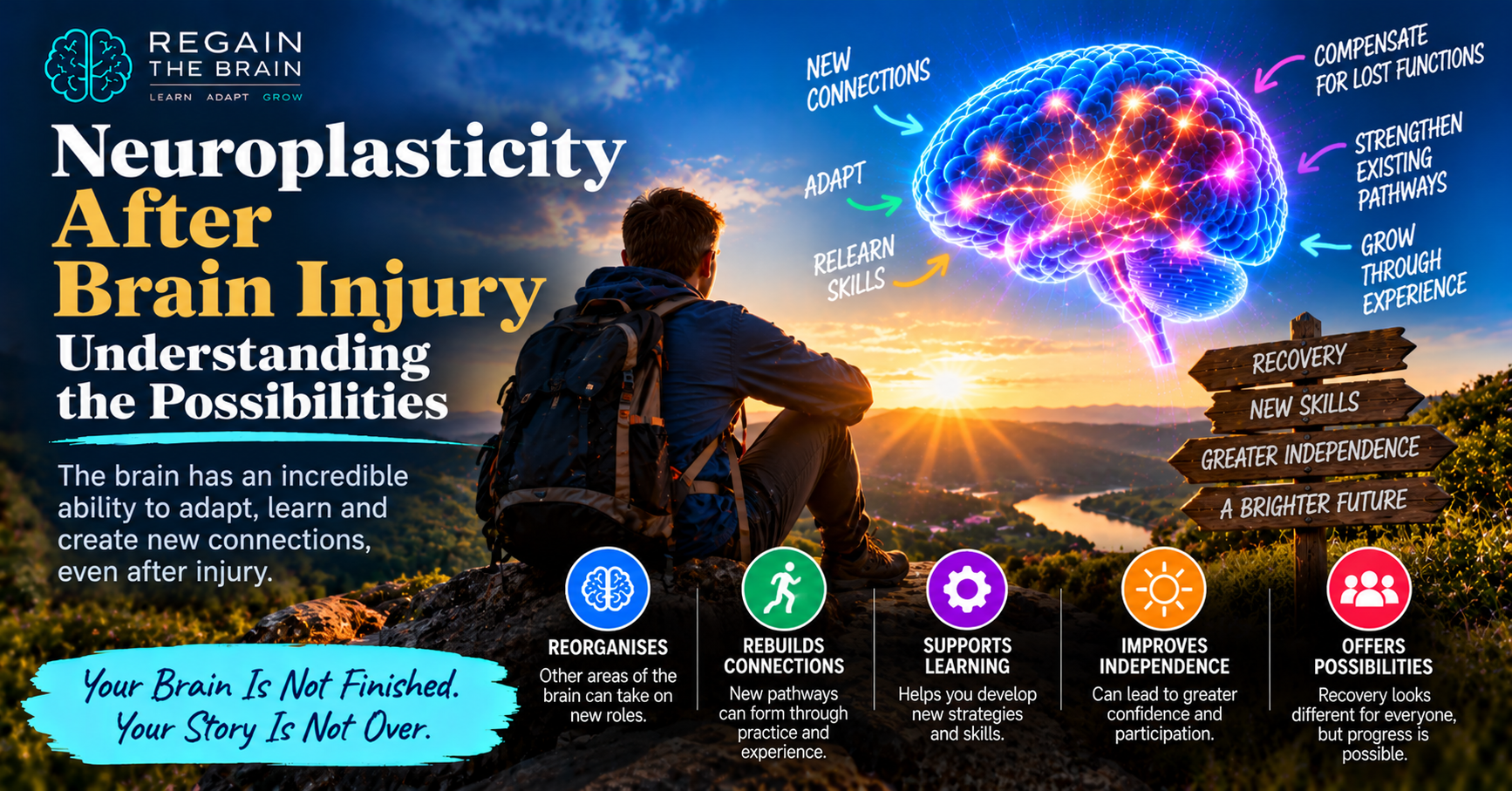
A brain injury can change someone’s life in an instant.
It may affect movement, communication, memory, attention, emotions or everyday independence.
But the human brain also possesses mechanisms that can support adaptation and, in some cases, functional recovery.
One of these mechanisms is neuroplasticity.
Neuroplasticity after brain injury involves changes in the brain’s connections and activity as people recover, learn compensatory strategies and participate in rehabilitation.
The process is complex.
Recovery depends on factors including the location and severity of injury, the person’s overall health, the rehabilitation available and their individual circumstances.
My own experience began with a serious brain injury in early childhood.
For much of my life, I lived with challenges that influenced both my physical abilities and my confidence.
Over time, my interest in learning and brain science grew.
I became particularly fascinated by the possibility that our brains could continue adapting long after childhood.
However, my personal experiences should never be interpreted as a prediction of what another person will achieve.
Every brain injury journey is different.
What I hope to encourage is a greater understanding of the importance of rehabilitation, appropriate support and meaningful personal goals.
Neuroplasticity offers reasons for scientific interest and cautious optimism, not guarantees.
Your brain is not finished. Your story is not over.
#NeuroplasticityAfterBrainInjury #BrainInjuryRecovery #Neurorehabilitation #RegainTheBrain