For many years, people believed that once the human brain reached adulthood, its development was largely complete. We now understand that the brain remains capable of adapting throughout life.
This ability is known as neuroplasticity.
But how does neuroplasticity work?
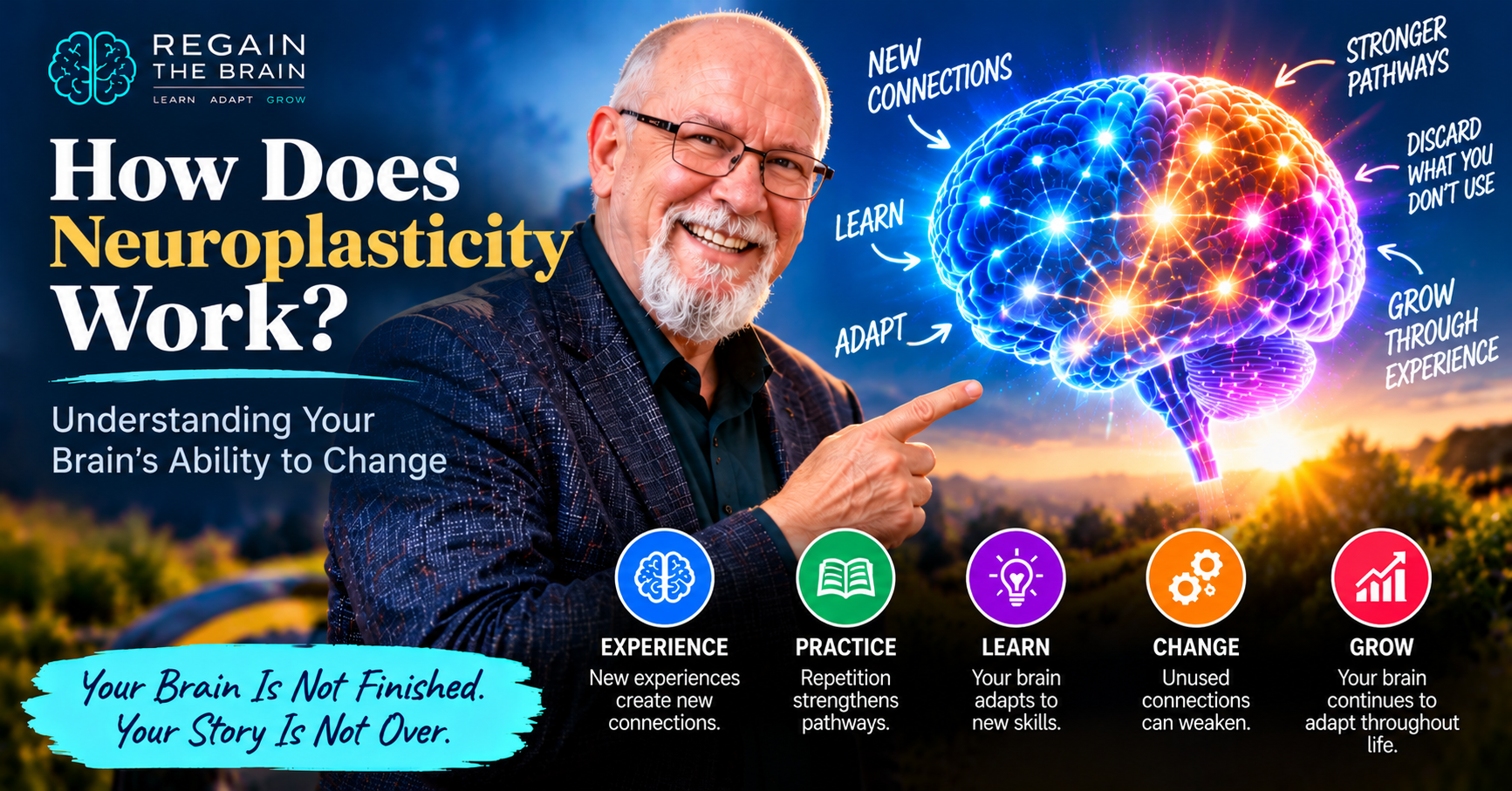
Our brains contain billions of neurons that communicate through complex networks of connections. As we learn, practise and experience new things, the strength and organisation of these connections can change.
Some connections become stronger through repeated use, while others may weaken when they are used less frequently.
Think about learning to ride a bicycle or play a musical instrument. At first, the activity requires considerable concentration. With practice, many of the movements become more familiar and coordinated.
This is one example of experience-dependent brain plasticity.
Neuroplasticity also plays an important role in rehabilitation following some neurological injuries, although the extent of recovery varies considerably.
What fascinates me is that we do not need to become scientists to appreciate the importance of this process.
Everyday activities such as learning a language, developing a new skill or practising music provide opportunities for learning-related brain changes.
I began exploring neuroplasticity because of my own experience of living with a brain injury.
Today, I want to help make neuroplasticity an everyday word.
Your brain is not finished. Your story is not over.
#HowDoesNeuroplasticityWork #Neuroplasticity #BrainHealth #RegainTheBrain